Engineering and Construction Global Shifts
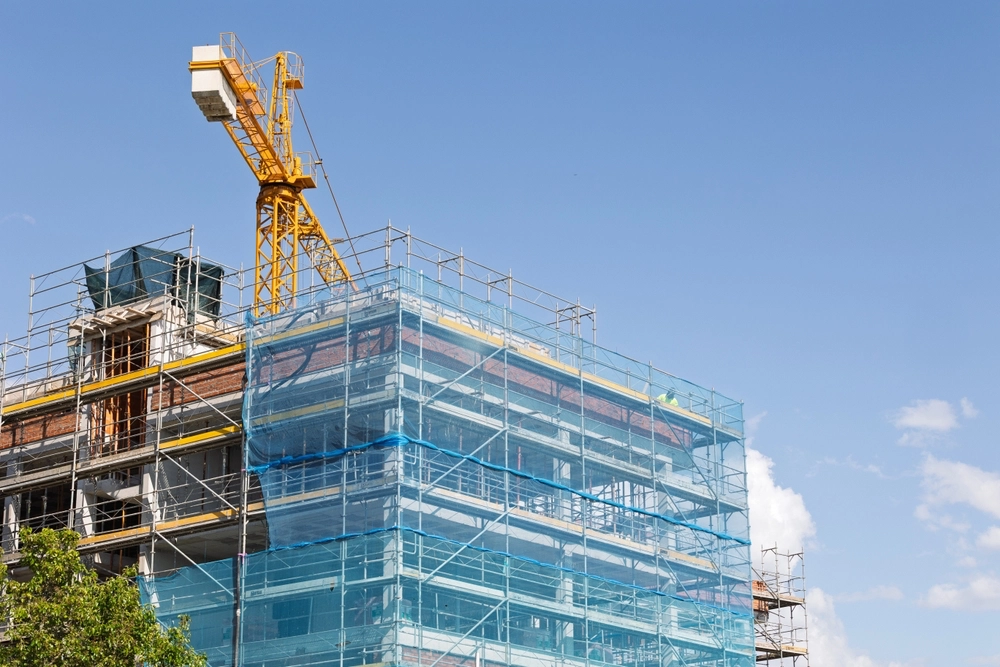
Engineering and construction remains one of the most economically significant and operationally complex sectors globally. In 2026 the industry is defined less by cyclical activity and more by sustained structural pressure. Across regions, project delivery is being shaped by labour scarcity, cost volatility, regulatory expansion, and accelerating technological change. These forces are not only influencing how projects are designed and built, but how risk is allocated, governed, and contested. As a result, disputes are becoming more frequent, more complex, and more deeply embedded in the commercial fabric of projects.
Labour pressure is a defining challenge across all major markets, though its drivers vary by region. In North America and parts of Europe, ageing workforces and declining participation in skilled trades are colliding with strong demand for infrastructure renewal and energy transition projects. In the Middle East, large scale capital programmes continue to rely heavily on imported labour, exposing projects to regulatory shifts, wage inflation, and workforce mobility constraints. In Asia Pacific, rapid urbanisation and industrial growth are intensifying competition for skilled engineers and project managers. Across all regions, rising labour costs and productivity constraints are placing strain on delivery schedules and margins, increasing the likelihood of claims and counterclaims related to delay, disruption, and scope change.
Material price volatility remains another persistent source of commercial tension. Global construction markets are increasingly exposed to geopolitical disruption, trade policy shifts, and supply chain fragility. Steel, cement, energy intensive materials, and specialist components have all experienced sharp price movements in recent years. While some regions have greater access to domestic supply, no market is fully insulated from global shocks. Contracts that were priced under assumptions of relative stability are now being tested under conditions of sustained volatility. Where adjustment mechanisms are unclear or unevenly applied, disputes escalate quickly, particularly on long duration infrastructure and energy related projects.
Technology adoption is reshaping delivery models, but also introducing new categories of risk. Building information modelling has become a baseline expectation in many developed markets, while modern methods of construction including prefabrication and modular approaches are gaining traction globally. In Asia and parts of the Middle East, these methods are being deployed at scale to accelerate delivery and address labour constraints. In Europe and North America, adoption is often constrained by legacy processes, fragmented supply chains, and inconsistent contractual frameworks. Disputes frequently arise around data ownership, design responsibility, and liability where digital workflows are not clearly governed or understood across the project ecosystem.
Sustainability is now a central driver of project definition rather than an ancillary consideration. Governments and investors across regions are imposing stricter environmental standards, emissions targets, and reporting obligations. In Europe, regulatory pressure is particularly pronounced, while in North America and parts of Asia, sustainability expectations are increasingly driven by investor and client requirements. In emerging markets, access to finance is often contingent on meeting international environmental benchmarks. These dynamics introduce new risk into project execution, particularly where sustainability requirements evolve during delivery. Disputes commonly arise around responsibility for compliance costs, performance outcomes, and the impact of regulatory change on programme and price.
Regulatory complexity is increasing in parallel with project scale and ambition. Large infrastructure and capital programmes now sit at the intersection of planning regimes, environmental approvals, safety standards, and local content requirements. In regions with fast changing regulatory environments, such as parts of Africa, Latin America, and Southeast Asia, uncertainty around enforcement and interpretation adds further risk. Failure to anticipate or manage regulatory interaction is a frequent trigger for delay and dispute, particularly where authorities, sponsors, and delivery partners are misaligned.
Digital tools and connected technologies are increasingly embedded in site operations and asset management. Real time monitoring, connected equipment, and advanced project management platforms are improving visibility and control, but they also raise expectations. When digital insight highlights underperformance or deviation, tolerance for explanation reduces. At the same time, responsibility for system accuracy and decision making is often unclear, particularly where technology is provided by third parties. This ambiguity is becoming a recurring feature in disputes related to performance and accountability.
Against this backdrop, risk management is evolving from a procedural function to a strategic capability. Identifying and allocating risk at contract formation remains critical, but it is no longer sufficient. The most significant disputes now arise from how risk is managed over time, particularly as conditions change. Continuous monitoring, disciplined change control, and transparent communication are increasingly central to dispute prevention.
Leading organisations are moving away from adversarial postures and towards more collaborative delivery models. Across regions, there is growing interest in contracting approaches that align incentives, encourage early problem solving, and share risk more intelligently. These models do not eliminate conflict, but they create structures within which issues can be addressed before they escalate into entrenched disputes. Success depends less on contractual form and more on governance maturity, behavioural alignment, and the ability to manage relationships under pressure.
The scale of global investment in infrastructure, energy transition, and urban development remains unprecedented. Yet the ability to deliver that investment depends on how effectively organisations manage complexity, volatility, and human dynamics.
See Resolutiion® in Action
With Resolutiion®, you can surface risks earlier, resolve issues faster, and keep commercial relationships on track.